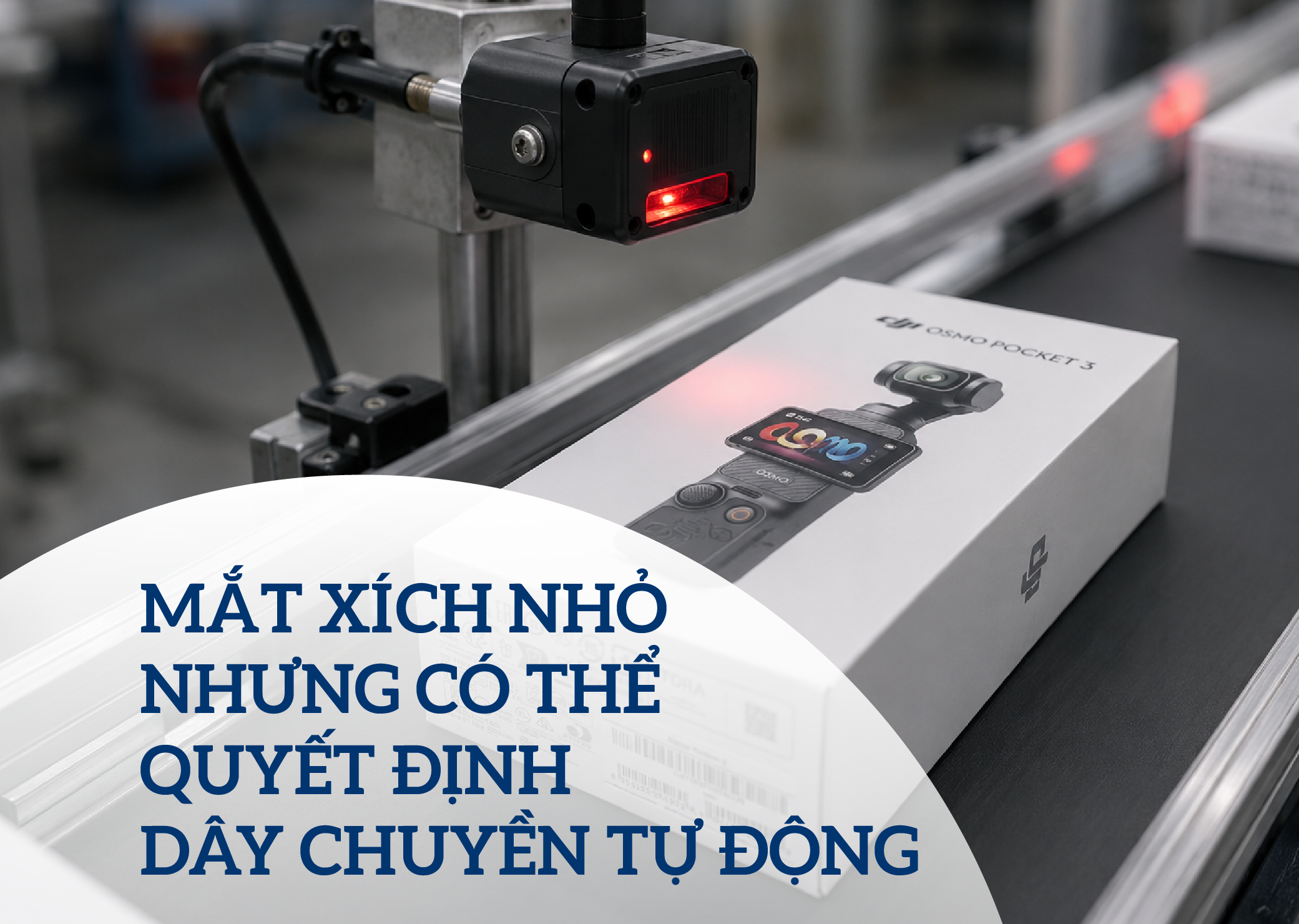

When a manufacturing enterprise begins searching for a label supplier, the first question is almost invariably about price. However, for organizations that have endured late deliveries due to a supplier failing to keep pace with schedules, or experienced shipment rejections caused by technical deviations, priorities shift rapidly in subsequent selections—moving swiftly from price to reliability.
When a manufacturing enterprise begins searching for a label supplier, the first question is almost invariably about price. However, for organizations that have endured late deliveries due to a supplier failing to keep pace with schedules, or experienced shipment rejections caused by technical deviations, priorities shift rapidly in subsequent selections—moving swiftly from price to reliability.
A dependable label partner is not defined by a single smooth transaction, but by the ability to maintain consistent quality across hundreds of consecutive production runs, spanning years and across diverse product lines. This is a far more demanding test than evaluating an initial prototype batch—because virtually any supplier can deliver a sound sample under ideal conditions, but very few can sustain that benchmark as production scales up and the partnership matures.
Achieving this requires three indispensable, interconnected pillars:
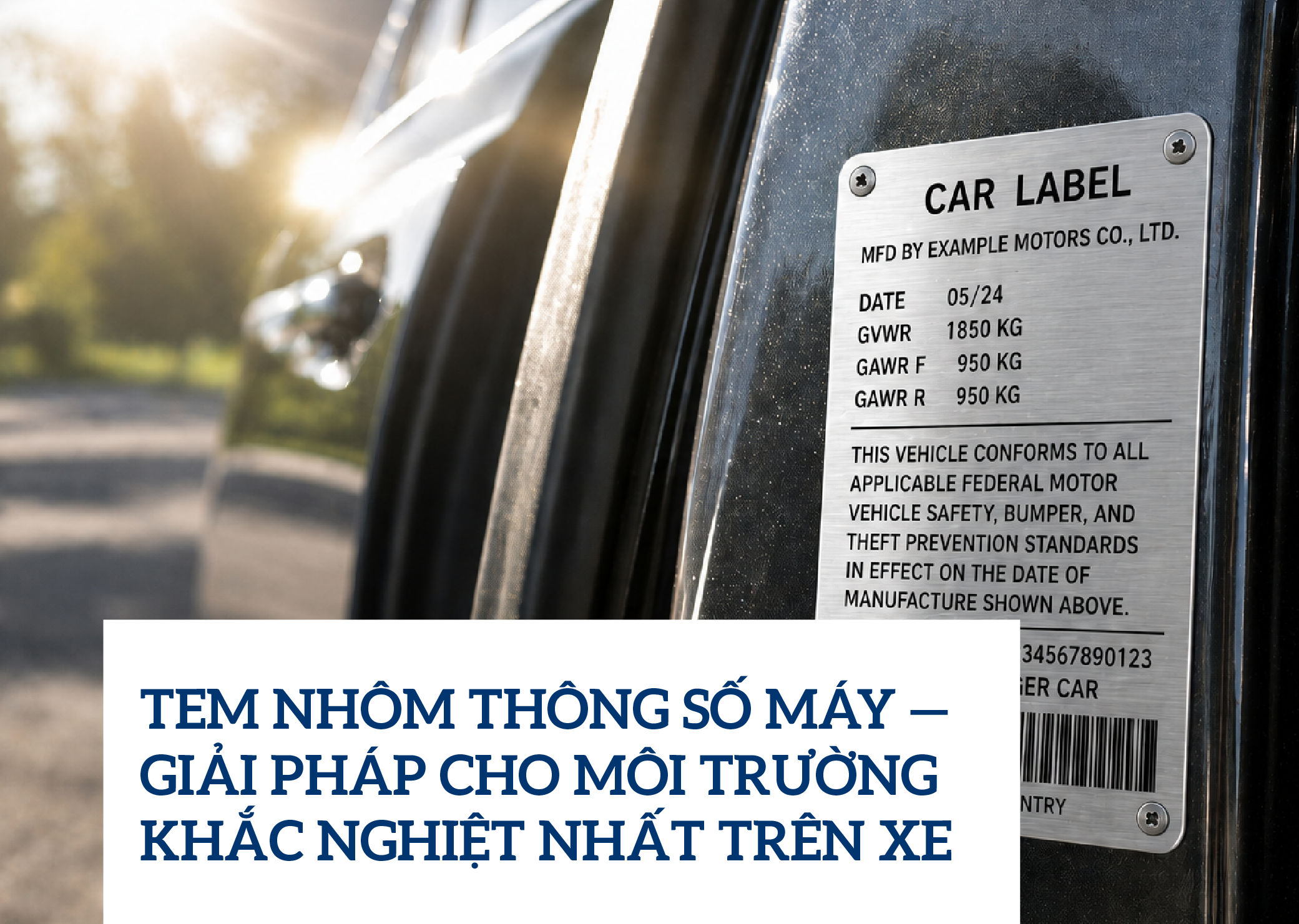
A reliable partner must possess the capacity to execute a broad spectrum of technical demands—from harsh-environment materials like aluminum nameplates for automotive engine bays and retroreflective decals for outdoor use, to multi-layered anti-counterfeiting security labels for brand protection. This versatility reflects true depth in manufacturing capability, extending far beyond baseline commercial printing.
One frequently overlooked technical aspect with profound long-term implications is substrate selection. Leading industrial label manufacturers in Vietnam today prioritize polypropylene (PP) film over PVC—not merely to follow a trend, but because PVC suffers from poor biodegradability, creating long-term environmental concerns. In contrast, PP fulfills strict technical demands for durability and ink adhesion while aligning seamlessly with sustainability mandates—a criterion increasingly prioritized by multinational corporations and global partners when auditing vendors.
Technical capability is a prerequisite, but a structured quality control (QC) process is what determines whether that capability is executed consistently. A dependable QC workflow must encompass the entire manufacturing chain: inspecting incoming raw materials, monitoring operating parameters throughout the print run, and conducting thorough final inspections prior to packaging and dispatch.
More importantly, every production batch requires its own traceability records, enabling precise identification of the exact timestamp and root cause should any deviation occur—rather than simply claiming "this batch is defect-free" without the capacity for accountability when an issue arises on the subsequent run.
For FDI enterprises and corporations operating under international standards, this third pillar is often weighted equally with manufacturing capacity. Certification is not simply a framed document on an office wall; it serves as objective proof that entire workflows have been independently audited and validated by an accredited third party against globally recognized benchmarks.
This marks the fundamental distinction between taking a supplier's verbal assurances at face value and having an objective, verifiable foundation to evaluate their competence prior to entering long-term contracts.
These three elements cannot operate in isolation. A supplier strong in technical know-how but lacking structured QC processes will struggle to sustain consistent output at scale. Conversely, a vendor with formal certifications but deficient hands-on technical capability will fail to handle complex demands as a client expands product lines. Only when all three pillars coexist in synchronized harmony can a label manufacturer transcend the role of a transactional, order-by-order vendor and become a true strategic partner.
MMLabel builds its operational foundation upon all three pillars—from an ISO 9001:2015-certified manufacturing facility and a multi-tiered QC system deployed across the entire production chain, to enduring partnerships with some of the most demanding industrial clients in Vietnam, spanning automotive manufacturing, home appliances, and Japanese-standard FDI enterprises.


|






.png)
.png)
.png)
.png)
.png)
.png)
.png)